

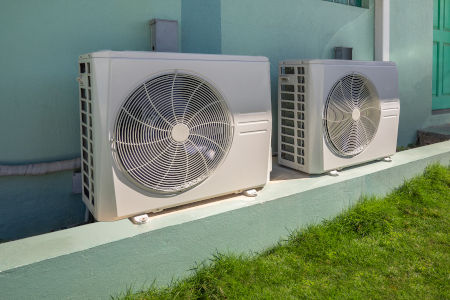
Heat pumps represent a significantly more energy-efficient heating and cooling solution compared to traditional separate furnace and air conditioning systems. A heat pump is capable of delivering one-and-a-half times more heat energy than the amount of energy it uses to run.
Numerous local homeowners are transitioning to heat pumps as their primary climate control system. These units offer superior dehumidification compared to central air conditioning while promoting better indoor air quality.
Less Need For Maintenance
Heat pumps operate on electricity similar to refrigerators and require minimal upkeep. They can produce up to four times the amount of energy that they consume because they move the heat throughout your home rather than having to generate it from a fuel source.
More Consistent Heating, Less Energy Waste
These systems draw warm exterior air during winter and reverse the process for summer cooling. Because they transfer rather than generate heat, they excel in moderate climates and simplify home comfort management through unified heating-cooling operation.
Multiple Types For Multiple Needs
Air source heat pumps (most common) function like refrigerators, using compressors and refrigerant coils. Geothermal alternatives draw heat from underground, proving advantageous in colder regions where consistent ground temperatures exist year-round.